INTERNATIONAL MARKET REPORT
12/29/2025
VIETNAM
MARKET PULSE
(SOURCE: WSTFA)
Feedback from the Trade on Their Plans and Interest in the USA Pear Season:
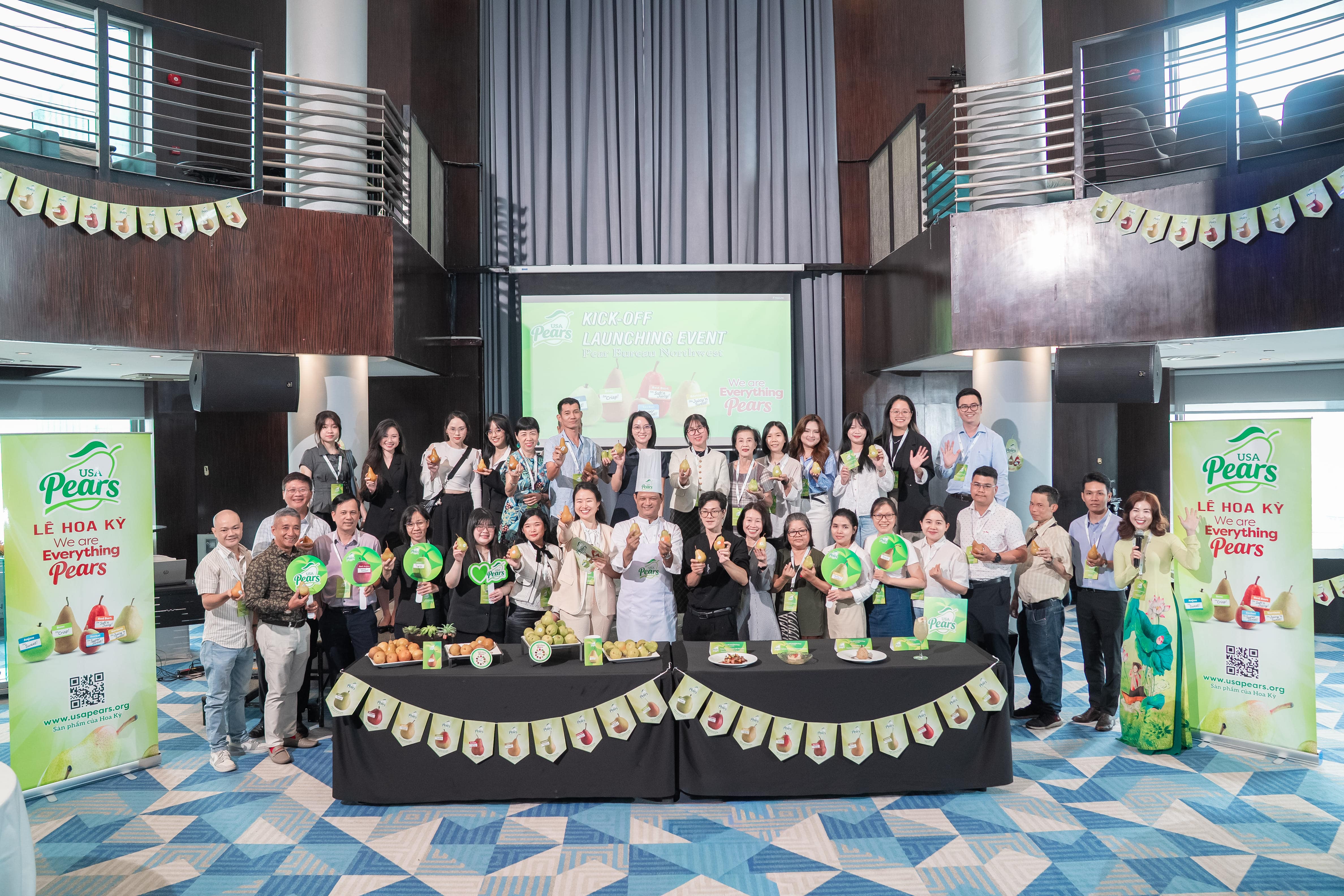
In December, we successfully organized a kick-off launch event with the participation of 40 guest including USDA, importers, fruit retailers, supermarkets, and members of the press. The event generated strong visibility, with multiple announcements and media coverage. Attendees showed great enthusiasm in tasting U.S. pears and pear-based products, which helped build confidence in the product’s origin, quality, and the clear differences between U.S. pears and Asian pears. In month, initial shipments from the importers began arriving in Ho Chi Minh City and Hanoi City. The importer is currently focusing distribution through wholesale channels and a small volumes of high-performing fruit stores. One retailer said they planned to import 17 pallets of three main pear varieties in six containers to meet demand during the Lunar New Year season. In January, we have planned to conduct in-store sampling programs to support supermarket displays and further build consumer awareness.
Expectations for Any Freight or Logistics Challenges:
Weather conditions from September through November resulted in shipment delays of approximately 7–10 days upon arrival in Vietnam. Despite these delays, importers reported that U.S. pears arrived in good condition, maintaining vibrant color and firm texture, which allowed for extended storage and strong overall quality performance.
Opportunities in Your Market for Specific Varieties, Sizes, and Grades:
The importer focuses on only three main pear varieties for the Vietnamese market: Bosc pears, Green Anjou, and Red Anjou pears. Their preferred sizes are 80, 90, and 100 pcs, packaged in a standard two or four-layer system.
Update on the Competition in the Market:
The Vietnamese pear market continues to be dominated by Chinese pears in traditional markets. In supermarkets, Korean pears are also being promoted through discount programs to attract consumers with more competitive pricing. Meanwhile, South African pears remain present in the market with larger volumes. Japanese pears are available in limited volumes at premium prices, and retailers noted that sales of Japanese pears have been slow as well. Although the peak shopping season has begun, tightened consumer spending has resulted in sluggish sales across most premium fruit categories.
Political or Economic Issues Impacting Imports, Retail, or Consumer Behavior:
Currently, Vietnam's political and trade environment remains stable, with no major import restrictions. However, there is no information yet regarding a Vietnam-US trade agreement, and import tariffs remain at 10%. The high USD/VND exchange rate, coupled with increasingly tighter spending by Vietnamese consumers, is slowing down retail sales. This highlights the need for necessary activities such as promotional programs as in-store promotion, and consumer education to support the brand positioning of USA pears. Furthermore, useful information shared through Facebook has been actively implemented, helping consumers raise awareness and understanding of USA pears.
Other Brief Comments:
None reported this period.
USA PEARS: RETAIL PRICING, SIZES, AND GRADES
-
US1: 100%
-
Fancy: %
-
3rd Grade: %
COMPETITION: RETAIL PRICING AND SIZES
UPCOMING ACTIVITIES