INTERNATIONAL MARKET REPORT
01/30/2026
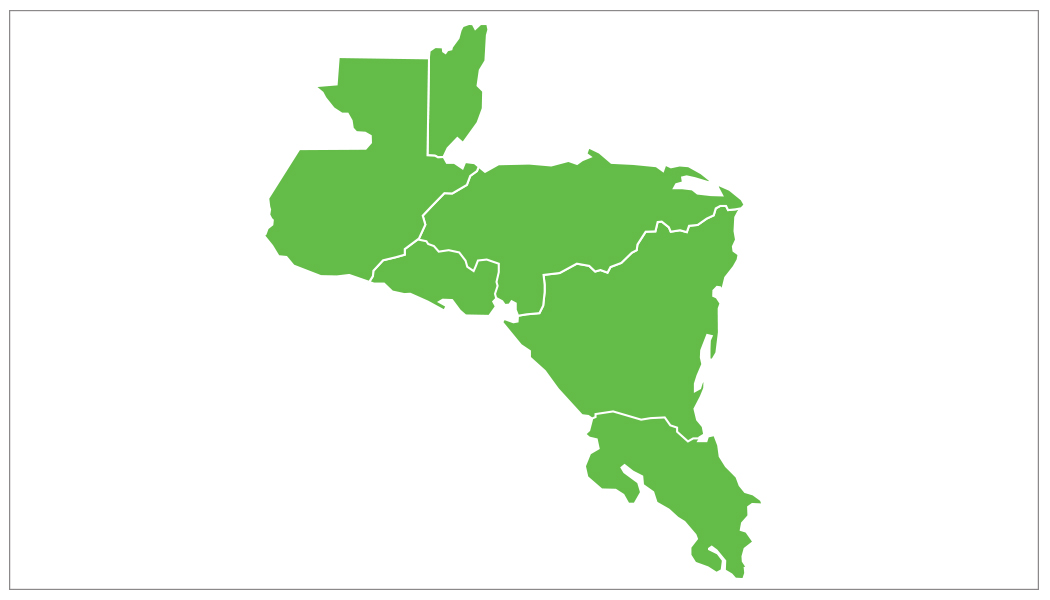
CENTRAL AMERICAN REGION
MARKET PULSE
(SOURCE: WSTFA)
Feedback from the Trade on Their Plans and Interest in the USA Pear Season:
During January, trade members in the Central American region continue receiving USA Pear loads, with importers reporting that quality and sales were good. USA Pears reported a volume increase this month and trade members will continue importing the same volumes during the next weeks to supply the wholesale and retail markets. USA Pears reported 88% market share in the wholesale sector with 87% in supermarket stores and 90% in traditional channels.
Expectations for Any Freight or Logistics Challenges:
During the next month, no challenges or concerns related to freight or logistics are expected that could affect USA Pear arrivals. Importers are planning their USA Pear purchases in advance to avoid any potential logistical problems.
Opportunities in Your Market for Specific Varieties, Sizes, and Grades:
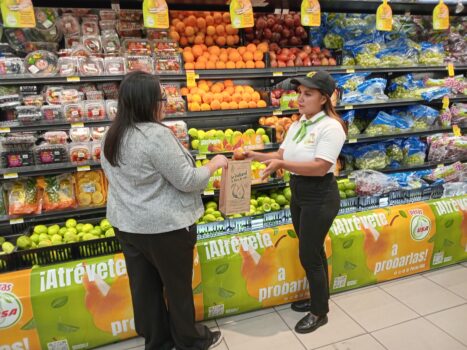
Anjou, Bosc and Red Anjou are the main varieties requested by importers in the region; however, trade members are open to importing other varieties if prices keep competitive. Regarding sizes, importers prefer small and medium sizes, followed by larger sizes to supply high-end supermarket chains in the region, such as Bravo in the Dominican Republic and Automercado in Costa Rica. Regarding quality grades, U.S. No. 1 is the preferred grade, followed by Fancy and Third grade.
Update on the Competition in the Market:
Pears from Argentina reported a decrease in volumes during this month, because importers did not received more loads. During January, this origin reported 5% pear market share at wholesale, 5% in supermarket stores and 6% in traditional channels. Anjou reported the highest volumes followed by Packham and Bosc; good sales and quality were reported during this period. Volumes are expected to decrease during the next month because trade members will not receive more loads. Pears from Chile reported a decrease in volume during January with 2% pear market share at wholesale, 2% in supermarket stores and 3% in traditional channels. Forelle was the only variety available in the market; sales and quality were reported as good. Volumes are expected to decrease during the next month. California pears were available in El Salvador and Dominican Republic. This origin reported limited availability in display areas, reaching just 2% pear market share in both wholesale and supermarket sectors. Asian pear was the only variety available in the market; sales and quality were reported as good. Volumes are expected to decrease during the next month. Pears from Spain were available in Panama, Costa Rica and El Salvador, reaching 3% pear market share at wholesale, 4% in supermarket stores and 1% in traditional channels. Ercolini was the only variety available in the market; good sales and quality were reported. Volumes are expected to decrease during the next month.
Political or Economic Issues Impacting Imports, Retail, or Consumer Behavior:
No major political or economic developments are expected to materially affect Northwest pear imports into Central America region. The region continues to show moderate economic growth, supported by steady domestic demand, remittance inflows, tourism performance, and a gradual easing of inflationary pressures.
Other Brief Comments:
The fresh produce segment in Central America and the Dominican Republic continues to present opportunities for premium imported fruit, supported by the ongoing expansion of modern retail and a growing preference for consistent quality. Entering 2026, importers and retailers are focusing more on supply reliability, in-store execution, and promotional activity to sustain demand amid continued consumer price sensitivity.
USA PEARS: RETAIL PRICING, SIZES, AND GRADES
-
US1: 89%
-
Fancy: 9%
-
3rd Grade: 2%
COMPETITION: RETAIL PRICING AND SIZES
UPCOMING ACTIVITIES