INTERNATIONAL MARKET REPORT
02/26/2026
MEXICO
MARKET PULSE
(SOURCE: WSTFA)
Feedback from the Trade on Their Plans and Interest in the USA Pear Season:
This month, importers and wholesalers reported good USA pears sales, price in origin and a steady exchange rate have helped to maintain prices offered to wholesale market´s customers, Northwest pears good quality has been also helped to maintain sales performance; importers mentioned due apple´s prices are higher, customers prefer to buy USA pears or to increase volumes purchased. Trade members mentioned they will continue importing Northwest pears to maintain the actual high demand, but they expect quality and prices in origin continues being good during the upcoming weeks, it is expected Argentina could start being available during March but volumes will depend on the price and quality.
Expectations for Any Freight or Logistics Challenges:
Last events reported on February 22nd, due the capture of one organize crime leader, affected the transit of merchandise in some roads in Mexico, affecting the arrival of trucks to the main wholesale markets, this situation remain for a couple of days, but now the transit and safety has been improved, is not expected this situation could happened again or could affect future arrivals to the wholesale markets.
Opportunities in Your Market for Specific Varieties, Sizes, and Grades:
Green Anjou pear continues being the most preferred variety for wholesalers, supermarket stores and traditional channels, but the market is still open for other varieties like Red Anjou and Bosc; the pear size is not a problem, modern and traditional retailers can handle and sell different sizes from 60´s to 150´s; in terms of quality, the market is open for US#1, Fancy and 3rd grades, price differentiation is a key purchasing factor considered by importers and retailers.
Update on the Competition in the Market:
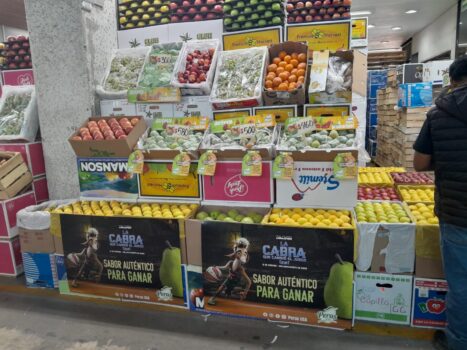
USA Pears reported a 99% pear market share at wholesale level, 96% at supermarket stores and 99% at traditional channels; sales and quality were reported as excellent. Pears from China were available at wholesale level, representing 1% pear market share, while in supermarket stores was 4%, and 1% at traditional channels; quality was good, but sales were low due its higher price and limited availability, as they are only intended to meet the needs of some customers.
Political or Economic Issues Impacting Imports, Retail, or Consumer Behavior:
Inflation in Mexico accelerated again for the third consecutive fortnight in the first half (1H) of February, amid new pressures in the fruits and vegetables category, in addition to the existing increases in the prices of goods and services, according to information from the Instituto Nacional de Estadística y Geografía (Inegi). The Inegi report showed that the National Consumer Price Index (INPC) rose 0.25% on a fortnightly basis in the first half of February, bringing the annual rate to 3.92%. Thus, consumer inflation accelerated for the third consecutive fortnight, but remained within the target range of the Banco de México (Banxico) of 3% +/- 1 percentage point. Moreover, it reached its highest level since the second half of November last year, when inflation stood at 3.99%. Data for the period in question showed a notable rebound in agricultural inflation, as fruit and vegetable prices rose 5.61% year-over-year, suggesting a possible shift in trend after 25 of the previous 26 fortnights recorded negative readings, which had helped keep the overall index within the target range. If this change in trend is confirmed, it would add an additional challenge to the inflation outlook.
Other Brief Comments:
No additional comments
USA PEARS: RETAIL PRICING, SIZES, AND GRADES
-
US1: 48%
-
Fancy: 21%
-
3rd Grade: 31%
COMPETITION: RETAIL PRICING AND SIZES
UPCOMING ACTIVITIES