INTERNATIONAL MARKET REPORT
02/26/2026
INDONESIA
MARKET PULSE
(SOURCE: WSTFA)
Feedback from the Trade on Their Plans and Interest in the USA Pear Season:
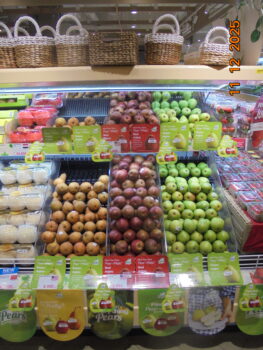
The importers have informed us that they will not import any USA Pears this season. However, they plan to resume and increase imports of USA Pears next season. They also mentioned that PBNW Indonesia could act as a bridge between the shippers and the importers to ensure that high quality USA Pears are supplied to the Indonesian market. From the retailers’ side, some stores are still displaying USA Pears, although the stock is limited. The quality of the USA Pears in-store remains quite good, and most of the pears are already ripe and soft.
Expectations for Any Freight or Logistics Challenges:
Importers have also expressed concerns regarding shipment lead time and logistics reliability. They emphasized the importance of minimizing transit delays and avoiding excessive transshipment or multiple stopovers, as prolonged shipping duration could compromise the quality and freshness of USA pears upon arrival.
Opportunities in Your Market for Specific Varieties, Sizes, and Grades:
The Indonesian market continues to show strong interest in USA pear varieties, particularly Green Anjou, Red Anjou, and Bosc, with a preference for sizes 70–90 and 100% US#1 grade fruit.
Update on the Competition in the Market:
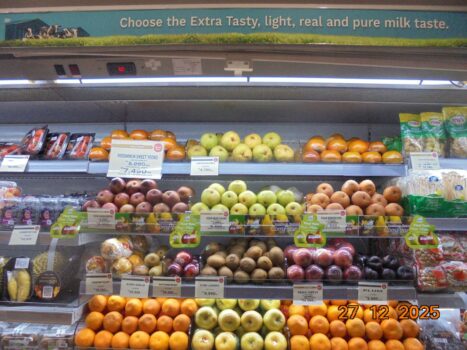
Retailers continue to allocate large display areas for Ramadhan promotions, especially for dates from various regions and countries. Competition remains intense from Chinese pears, which offer a wide range of varieties at more competitive price points. Several retailers have also reported that ready to eat Asian pear slices are performing well, as they are more affordable and highly favored by consumers for breaking fast (iftar). In addition, Chinese mandarins and Kino from Pakistan are dominating in-store displays during this Ramadhan festive season.
Political or Economic Issues Impacting Imports, Retail, or Consumer Behavior:
The trade agreement between Indonesia and the United States was signed on February 19, 2026, and is expected to remove key non-tariff barriers, including quotas and import licensing requirements. Following this development, importers are highly optimistic and project a 200%–300% increase in USA fruit imports, including USA Pears, compared to normal levels. However, PBNW in Indonesia has advised importers to wait until the trade agreement is fully implemented and confirmed before placing large orders. This will allow them to better assess regulatory clarity and market conditions before increasing imports of USA fruits, particularly USA Pears, into the Indonesian market.
Other Brief Comments:
n/a
USA PEARS: RETAIL PRICING, SIZES, AND GRADES
-
US1: 100%
-
Fancy: %
-
3rd Grade: %
COMPETITION: RETAIL PRICING AND SIZES
UPCOMING ACTIVITIES