INTERNATIONAL MARKET REPORT
02/06/2026
INDONESIA
MARKET PULSE
(SOURCE: WSTFA)
Feedback from the Trade on Their Plans and Interest in the USA Pear Season:
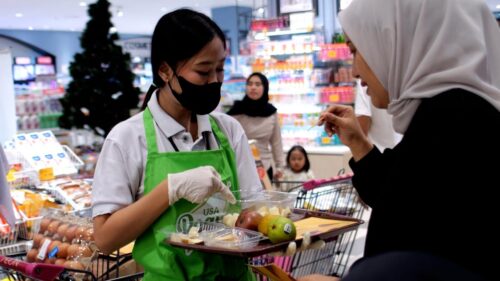
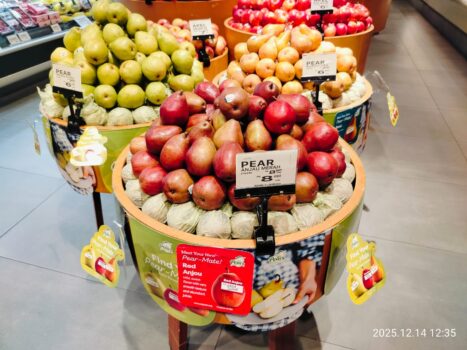
Both importers who brought in USA Pears this season are now out of stock at their warehouses. According to the importers, the quality of the USA Pears received this year was not optimal, resulting in product rejections by retailers. As a result, the pears had to be re-sorted before distribution to retail stores. This situation may have been caused by longer transit times and shipment delays. In one of the retail stores which is Hypermart, USA Pears are still available with limited stock.
Expectations for Any Freight or Logistics Challenges:
Importers expect that shipments for the next season will arrive on schedule, as delayed shipments this season contributed to fruit damage and reduced overall quality.
Opportunities in Your Market for Specific Varieties, Sizes, and Grades:
Red Anjou and Green Anjou are the most popular varieties in the Indonesian market with sizes 70-80 and US1.
Update on the Competition in the Market:
Displays in many retailers’ stores are currently dominated by both Ramadan and Chinese New Year promotions. Chinese-origin fruits, including pears, citrus, and apples, are highly visible in the market for Chinese New Year celebrations, often presented in attractive and premium gift packaging. Australian cherries also command strong shelf presence, supported by multiple brands and eye-catching packaging. At the same time, some retailers have begun allocating large display spaces to dates in preparation for the Ramadan festive period.
Political or Economic Issues Impacting Imports, Retail, or Consumer Behavior:
In January 2026, many cities across Indonesia experienced flooding due to heavy rainfall and climate change. These conditions have negatively affected consumer purchasing power, resulting in lower enthusiasm for Chinese New Year celebrations compared with previous years. In addition, the weakening of the Indonesian rupiah against other currencies has driven up the prices of basic necessities, prompting consumers to be more cautious and selective in their spending.
Other Brief Comments:
n/a
USA PEARS: RETAIL PRICING, SIZES, AND GRADES
-
US1: 100%
-
Fancy: %
-
3rd Grade: %
COMPETITION: RETAIL PRICING AND SIZES
UPCOMING ACTIVITIES