INTERNATIONAL MARKET REPORT
01/30/2026
COLOMBIA
MARKET PULSE
(SOURCE: WSTFA)
Feedback from the Trade on Their Plans and Interest in the USA Pear Season:
During January, importers received larger pear shipments from the Northwest to supply the wholesale and retail sectors. Importers noted that this volume increase was driven by the limited pear availability from other origins. Importers expect additional loads in the upcoming weeks. Other importers reported that they are requesting quotations to import Northwest pears over the next month. In addition, retailers continue to request quotations and expect to import USA Pear shipments during the next month. They consider USA Pears as an attractive option due to price, medium sizes, and the availability of Anjou and Packham varieties. Other supermarket chains prefer to purchase their USA Pear supplies through local importers. Northwest pears reported an increase in the market, reaching 87% pear market share in the wholesale sector with 66% in supermarket stores and 63% in traditional channels. Anjou was the only variety available in the market, reporting good sales and quality in both sectors. Some importers mentioned that they have lost market opportunity with USA Pears due to a lack of response for quotations. As a result, they must fulfill their pear needs from other origins.
Expectations for Any Freight or Logistics Challenges:
Trade members do not anticipate any freight or logistical challenges that could impact USA Pear imports. They plan to schedule their purchases in advance to prevent any potential delays during the next month.
Opportunities in Your Market for Specific Varieties, Sizes, and Grades:
Trade members continue to be interested in Anjou and Packham varieties during this season, because consumers prefer those varieties. However, they commented that they are also open to importing other varieties such as Bosc and Red Anjou if prices are competitive to supply the retail sector. In terms of sizes, small and medium sizes are preferred. Regarding quality grades, U.S. No. 1 is the preferred grade, followed by Fancy.
Update on the Competition in the Market:
Domestic pears reported 13% market share in the wholesale sector with 34% share in supermarket stores and 37% in traditional channels. Good sales and quality were reported during this month and volumes are expected to remain at the same level during the next month. Chilean pears were unavailable during January. However, importers expect shipments from Chile’s new pear season, mainly the Bartlett variety, to arrive next month. Some importers decided to start their Chilean pear import program earlier, as they reported not receiving timely responses from Northwest suppliers and still need to supply the wholesale and retail markets.
Political or Economic Issues Impacting Imports, Retail, or Consumer Behavior:
Colombia’s economy is projected to maintain moderate growth supported by domestic demand, with GDP expected to expand around 2.8%–3.0% in 2026 amid a gradual easing of inflation toward target levels. Inflation is forecast to continue moderating, though it is likely to remain slightly above the central bank’s 3% objective through the year, which continues to influence consumer purchasing power and retail pricing strategies. While there are no direct political or economic restrictions on U.S. pear imports, ongoing inflationary pressures, fiscal challenges, and higher operating costs remain factors affecting consumer price sensitivity and retailer promotions.
Other Brief Comments:
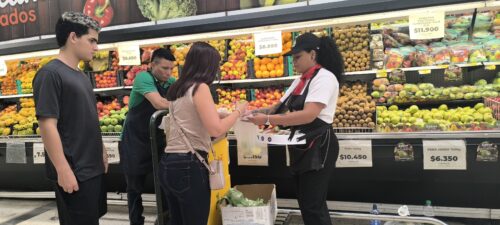
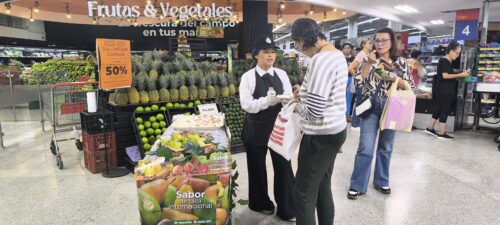
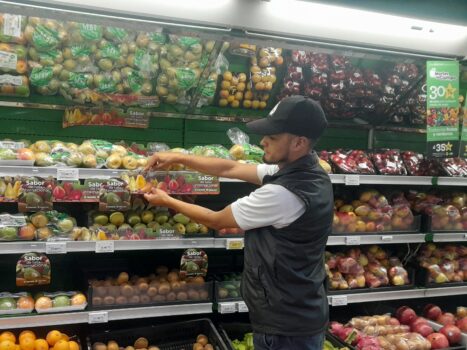
Colombia’s retail sector continues its transformation entering 2026, supported by ongoing expansion and format optimization among key players. International retailers such as PriceSmart remain active, while traditional chains, including Grupo Éxito, continue to modernize through store upgrades, improved operational efficiency, and strengthened omnichannel capabilities. Retail strategies are increasingly focused on value-oriented formats and promotional activity, reflecting continued consumer price sensitivity. Overall, the retail environment remains stable, with demand concentrated on essential categories and competitively priced products.
USA PEARS: RETAIL PRICING, SIZES, AND GRADES
-
US1: 90%
-
Fancy: 10%
-
3rd Grade: %
COMPETITION: RETAIL PRICING AND SIZES
UPCOMING ACTIVITIES