INTERNATIONAL MARKET REPORT
12/23/2025
ISRAEL
MARKET PULSE
(SOURCE: WSTFA)
Feedback from the Trade on Their Plans and Interest in the USA Pear Season:
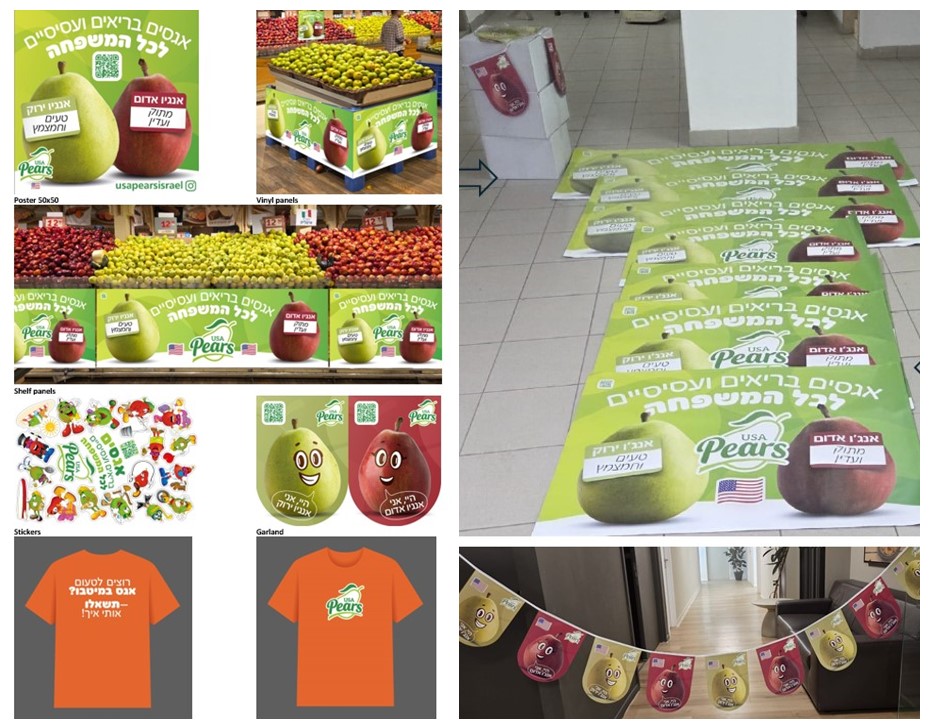
Overall, trade sentiment toward the U.S. pear season is positive. The market is currently short of pears in general, which is driving interest in fruit of U.S. origin. Some caution remains due to shipment delays, as longer transit times between the U.S. and Israel can raise concerns about post-arrival quality. However, most U.S. pear arrivals so far have shown good quality, helping to ease these concerns. The strong visibility of U.S. pears in major retail chains is further reinforcing confidence and supporting ongoing trade interest. Looking ahead, the launch of the first in-store promotions is expected to stimulate demand and strengthen the season’s momentum.
Expectations for Any Freight or Logistics Challenges:
In December, logistics challenges significantly affected both U.S. pears and competing origins. A mid-December port blockade by Greek farmers led to reduced pear volumes from Greece. At the same time, several containers of U.S. pears were held up in transit and experienced substantial arrival delays. These disruptions resulted not only in missed December sales during the U.S. pear season, but also in the risk of a later accumulation of delayed containers, which could put additional pressure on the market and impact pricing.
Opportunities in Your Market for Specific Varieties, Sizes, and Grades:
The key opportunity this season appears to be shipments for sales in February through early March. This period is traditionally the most profitable for Greek exporters; however, their pear crop is significantly lower this year, creating a favorable window for alternative origins.
Update on the Competition in the Market:
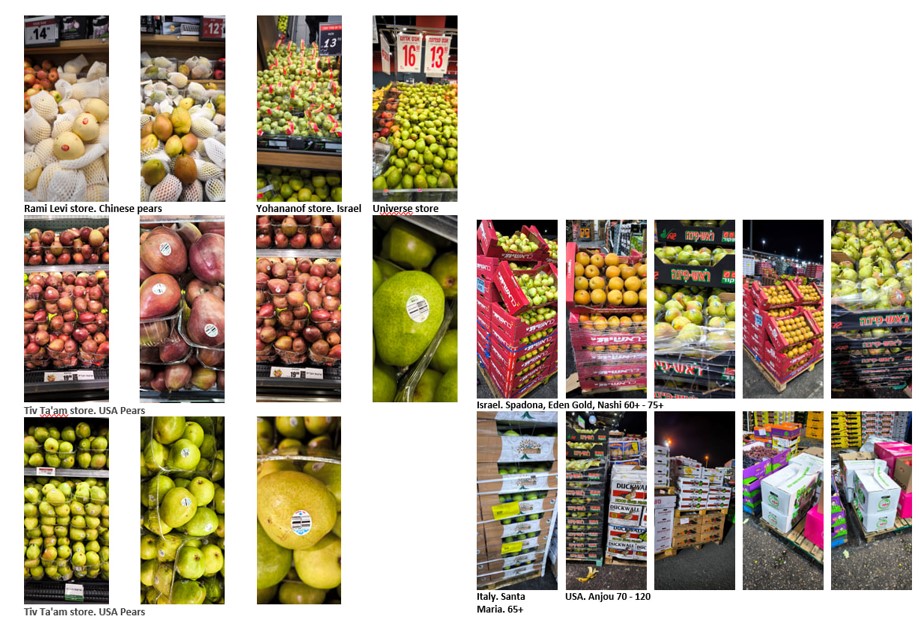
The pear crop in Greece was severely affected by spring frosts, resulting in lower expected volumes of Santa Maria and Blanquilla. According to some sources, total Greek pear production could be down by up to 50% across all varieties compared with 2024, with Israel remaining the key destination for Greek pears. At the same time, Italian Santa Maria pears are beginning to appear on the market, although volumes are still limited. By the end of December, wholesale market stocks were dominated by Israeli pears - primarily Spadona, Eden Gold, Sand - with only minimal availability of U.S., Greek, and Italian pears.
Political or Economic Issues Impacting Imports, Retail, or Consumer Behavior:
A major achievement in December was the signing of the Free Agricultural Trade Agreement between Israel and the United States. Starting January 1, 2026, Israel will grant tariff exemptions to around 300 U.S. food and agricultural products; however, 28 sensitive items—including pears —will remain protected, with quotas increasing by about 2.5% per year and full tariff elimination only by 2035. In parallel, the situation in the Red Sea has stabilized, and major container lines have announced their return to the region. This is expected to have a positive impact on freight rates and sailing schedules—both critical for the perishable produce trade.
Other Brief Comments:
ZIM, an Israeli liner company, after rumours of a management buyout, received several offers from Hapag-Lloyd, MAERSK, and MSC. The talks are not over yet, but the acquisition of the Israeli liner Co by one of the industry's majors may further improve the logistics to Israel.
USA PEARS: RETAIL PRICING, SIZES, AND GRADES
-
US1: 100%
-
Fancy: %
-
3rd Grade: %
COMPETITION: RETAIL PRICING AND SIZES
UPCOMING ACTIVITIES